Tambo Señorchayoq: the heart of an Inca kancha in Cusco

Tambo Señorchayoq, located in the historic district of Cruzpata, was built on the site of an ancient Inca kancha and served as a resting place for travelers from the Tawantinsuyo. It still retains its original structure, with walls and courtyards that reflect life in ancient Cusco. The site preserves the memory of different eras—Inca, colonial, and republican—showing how the city has evolved and endured over time.

Historical background of the site:

Pre-Inca
Before the 12th Century

Pre-Inca Period

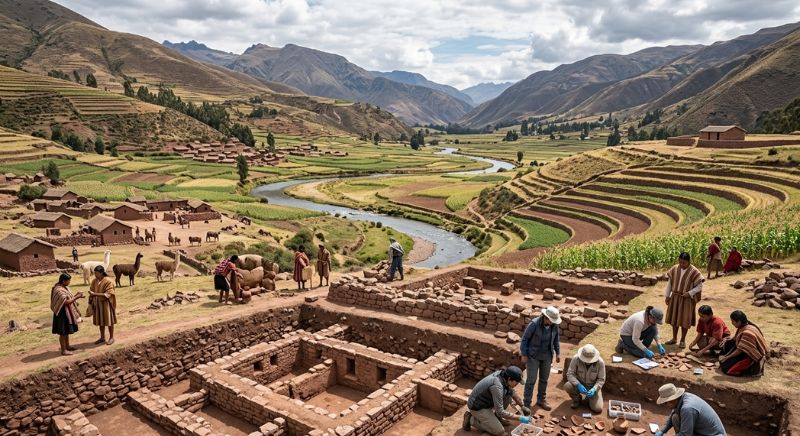
The Cusco Valley was inhabited by societies such as the Killke and the Wari. Archaeological evidence reveals regional occupations that set the stage for the rise of the Inca civilization.
Foundation
12th Century AD

Founding of Cusco

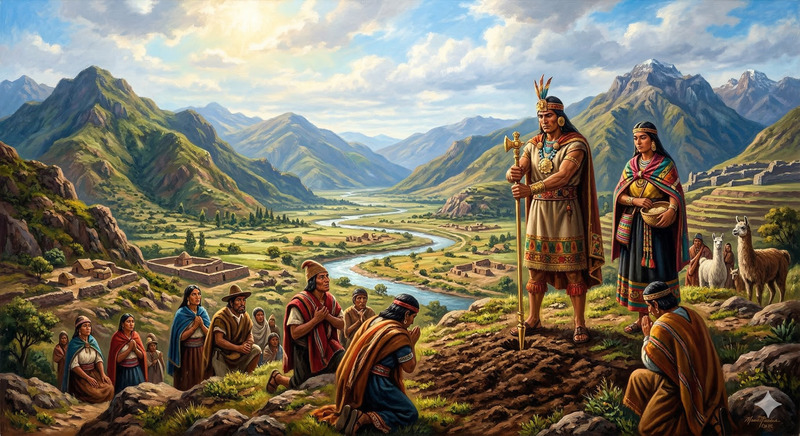
According to mythological tradition, Cusco was founded by Manco Cápac. This symbolic account marks the beginning of Cusco as the political and sacred center of the emerging Inca state.
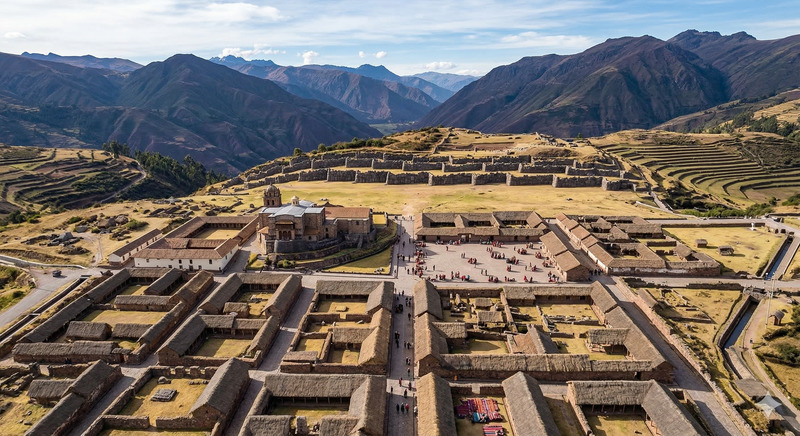
Empire
13th–15th Centuries

Inca Empire

The city became the capital of the Tahuantinsuyo. Ceremonial complexes such as Qorikancha and Sacsayhuamán were built, shaping a distinctive urban landscape.
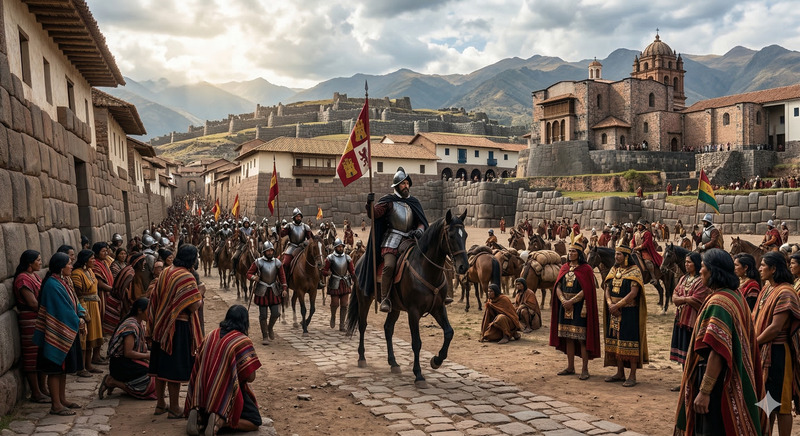
Spanish Arrival
1533

Spanish Arrival

Francisco Pizarro captured the city of Cusco, marking the collapse of the imperial order and the beginning of a colonial reorganization built upon pre-existing Inca structures.
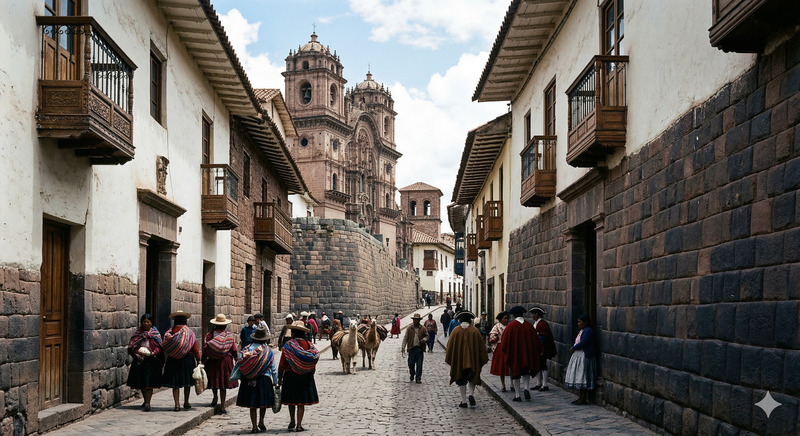
Colonial
16th–18th Centuries

Colonial Period

Cusco was transformed into a viceregal city. Mansions and churches were built on top of Inca walls, giving rise to a mestizo architecture that blended Andean and European techniques.
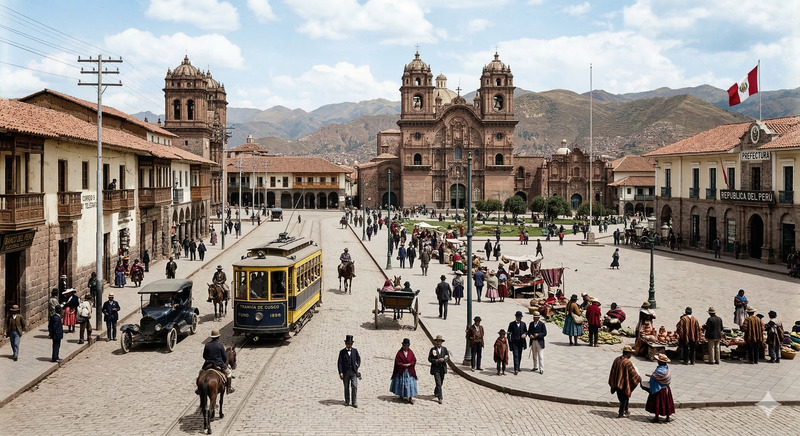
Republican
19th Century onward

Republican Period

After Peru’s independence in 1821, the city underwent processes of urban modernization and social changes linked to industrialization and internal migration.
Sacha Hotel: the old dairy farm that now welcomes travelers

Over time, Tambo Señorchayoq evolved from an Inca inn to a Republican-era inn and eventually became the Sacha Hotel, while continuing to serve as a place of welcome for travelers. Today, it combines modern comforts with historical elements, showcasing antique artifacts that reflect the daily life of the area. Staying there is like stepping into a space where history and hospitality come together, illustrating the evolution from the Inca era to the present day.

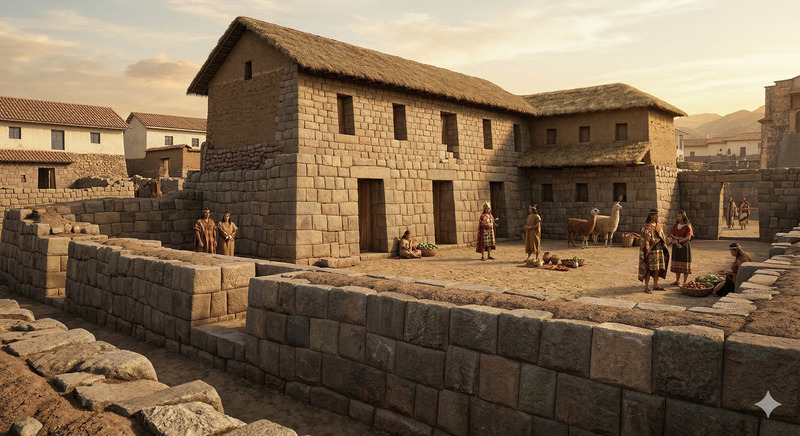
Inca walls of Qorikancha
1438–1471

Sacred Foundations

The property is built upon an ancient kancha from the time of Pachacútec, a residential and ceremonial space used by the nobility near Qorikancha and Kusicancha.
Colonial architecture in Cusco
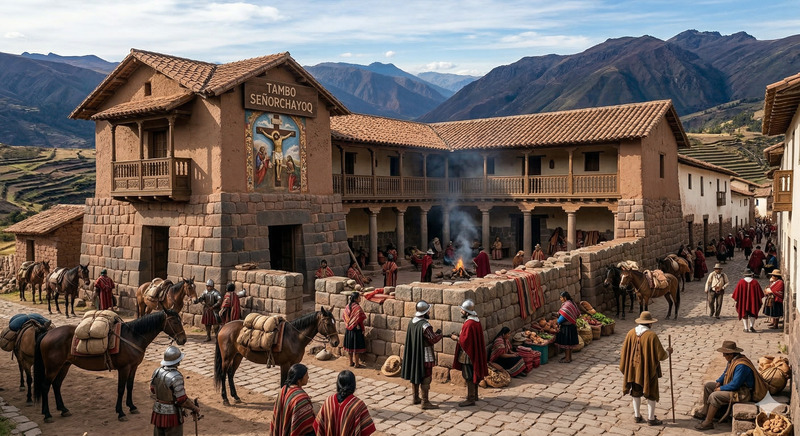
16th Century

Tambo Señorchayoq

During the colonial period, the structure was repurposed as the “Señorchayoq” tambo, which served as an inn for merchants and pilgrims traveling along the Qhapaq Ñan routes.
Murals and history in Cusco
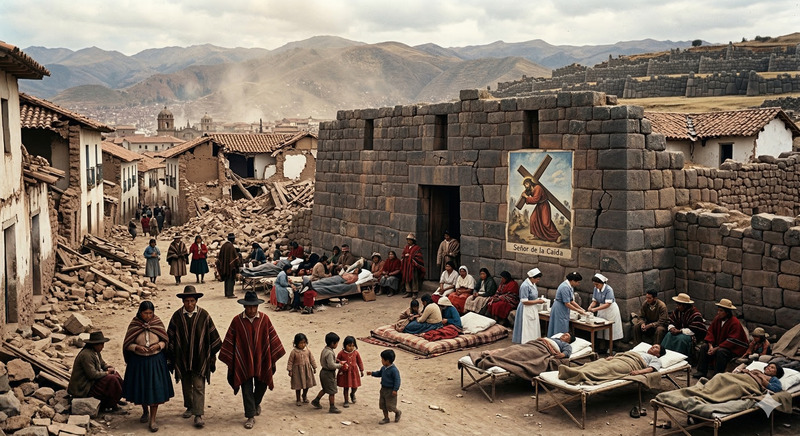
1950

A Shelter of Resilience

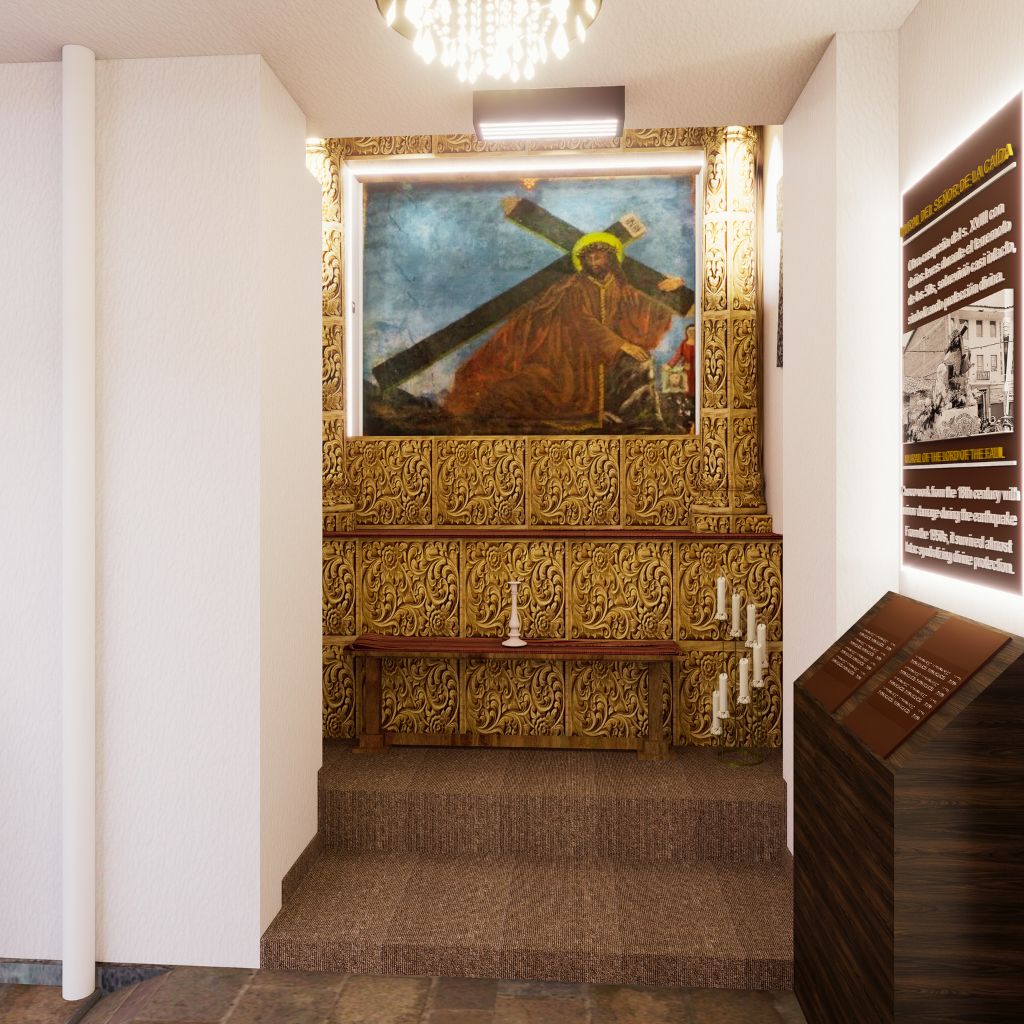
After the earthquake of May 21, 1950, the tambo provided refuge to those affected from La Convención; the mural of the Señor de la Caída endured thanks to the strength of Inca architecture.
Boutique hotel room
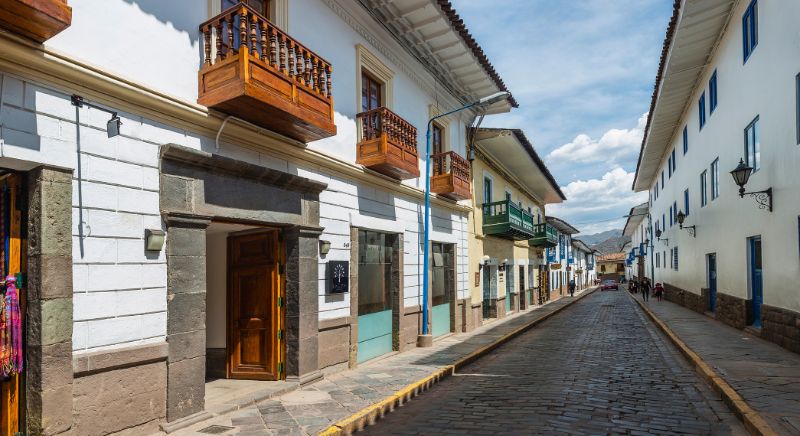
2026

Hotel Sacha Centric

Today, the former ceremonial courtyard functions as a boutique garden, and the tambo operates as an experiential lodging space, preserving its long-standing tradition of welcoming travelers.
Living Collection: Objects That Tell Stories

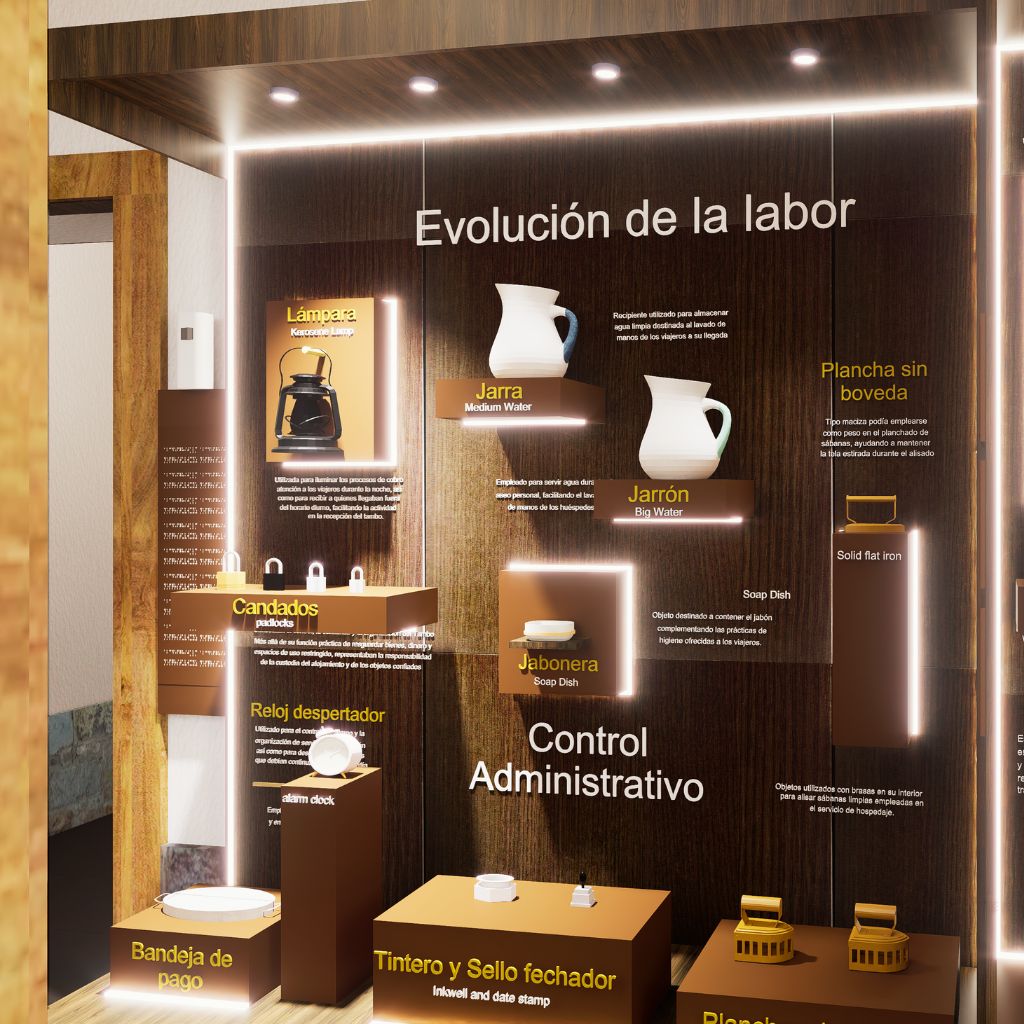
This section allows visitors to explore historical objects from the dairy farm and the house—such as utensils, radios, and religious artifacts—each accompanied by information about its origin and use. It also offers audio guides in Spanish and English to enhance the visitor experience.

An inclusive experience: seeing, hearing, and touching memory

The collections are designed to be accessible: they include audio recordings in Spanish and English, Braille texts, and tactile elements, allowing everyone—including those with visual impairments—to explore and understand the history of the dairy farm on their own.

ZONE 1

El Umbral - Reception

Formerly, in the 1950s, this space functioned as the welcome area of ​​the tambo, where travelers on the road found commerce, rest and warm hospitality.

00:00

ZONE 2

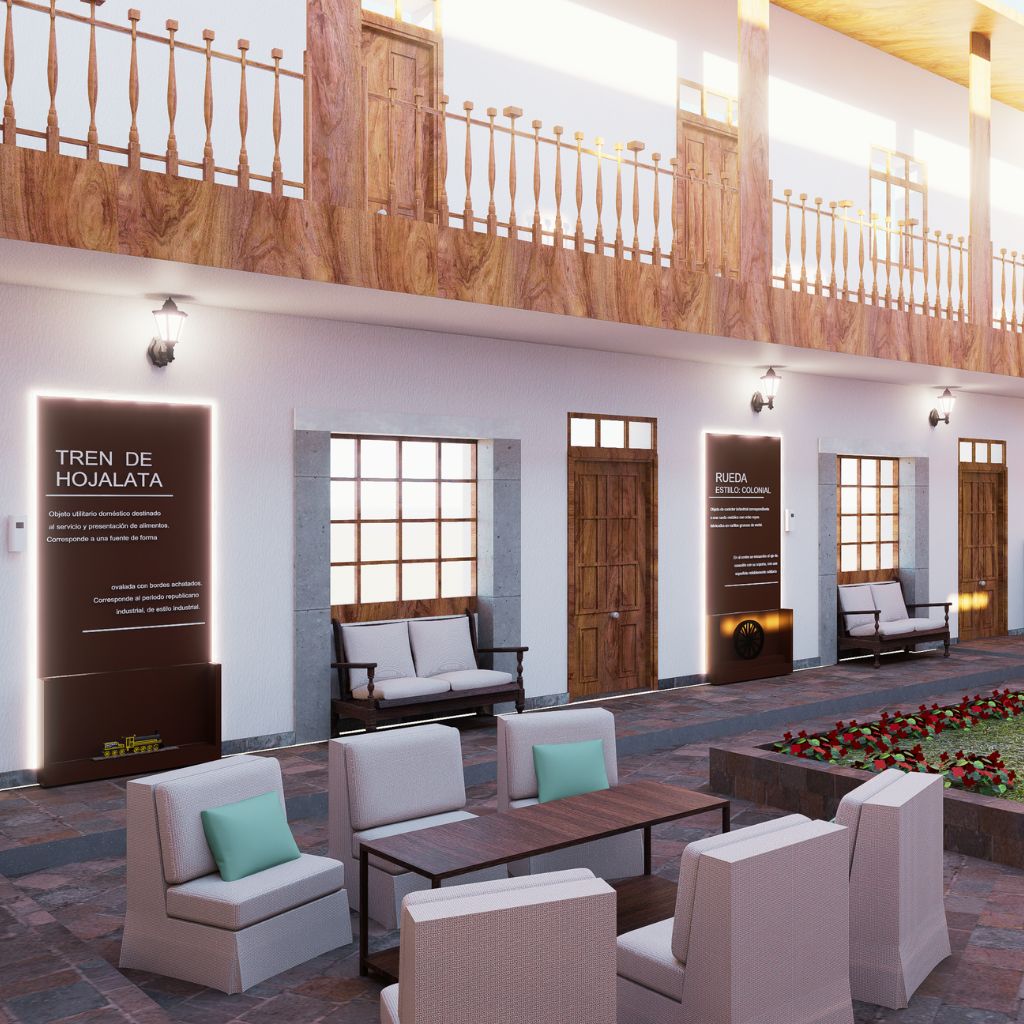
Traffic - Corridor

A corridor that connects the movement of travel with the tranquility of a refuge. The colonial-style wheel and the tin train symbolize the ways to reach Cusco.

00:00

ZONE 3

The Heart of Stone - Chapel

An old wall that survived the 1950 earthquake in Cusco, a symbol of protection and refuge for the families and residents of San Blas.

00:00

ZONE 4

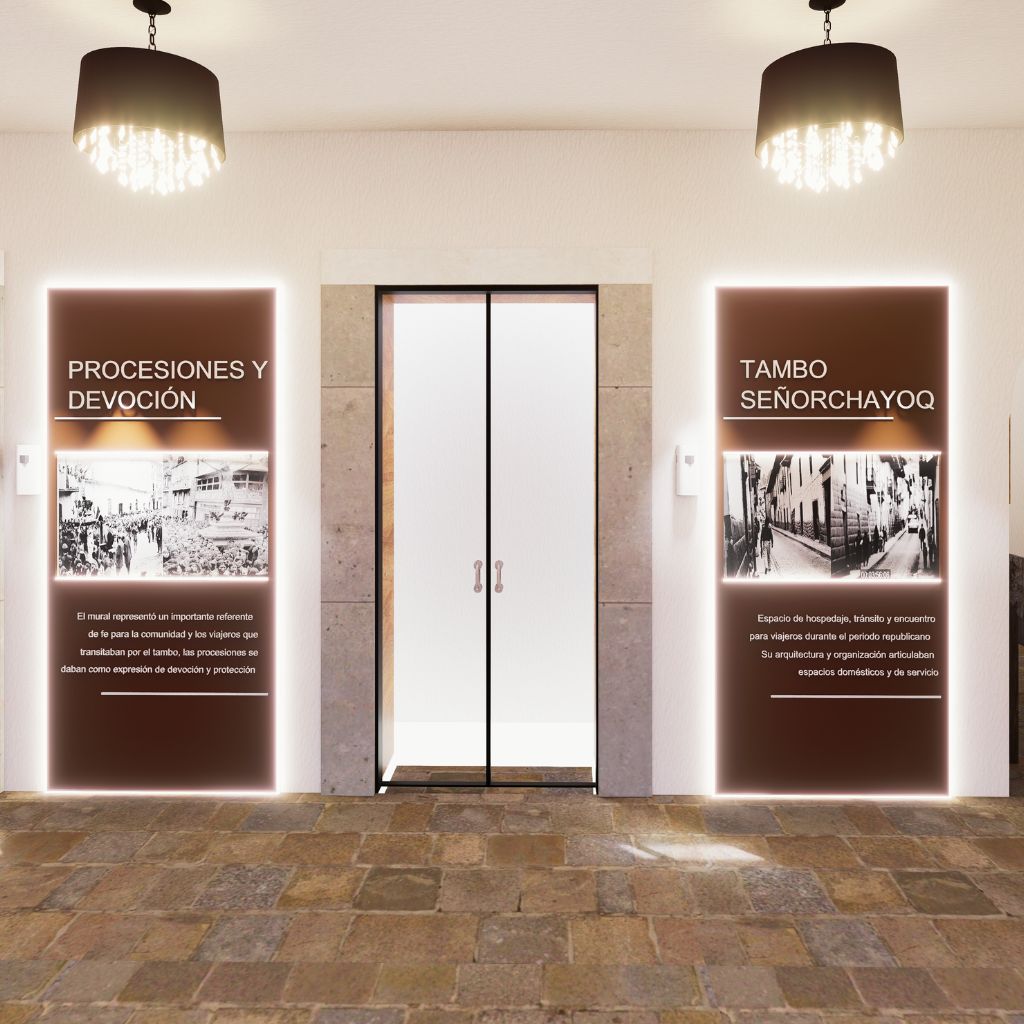
Window to the Street - Exterior

They preserve the memory of a neighborhood where faith was celebrated through festivals and processions.

00:00

ZONE 5

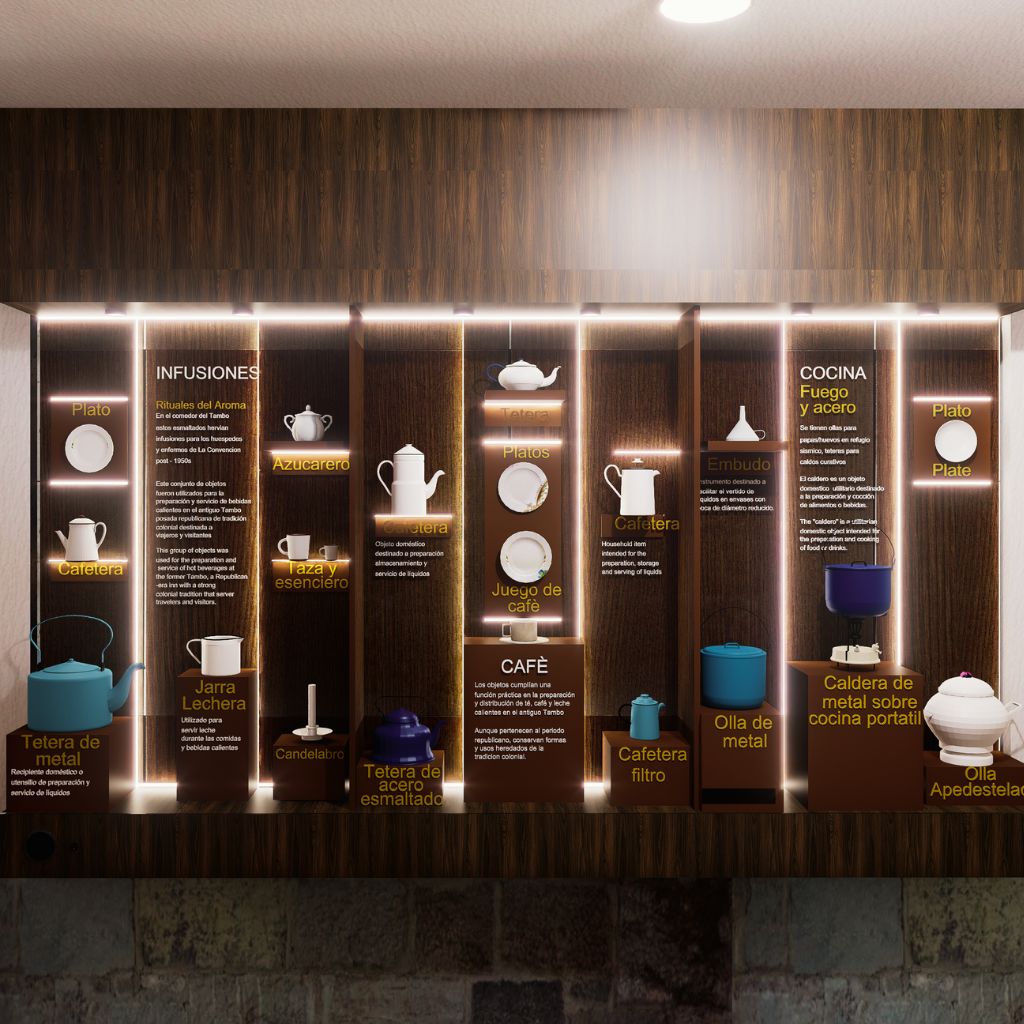
Alchemy of Fire - Dining Room

A historic kitchen with pewter teapots and utensils that evoke the hospitality and care extended to travelers and neighbors.

00:00

ZONE 6

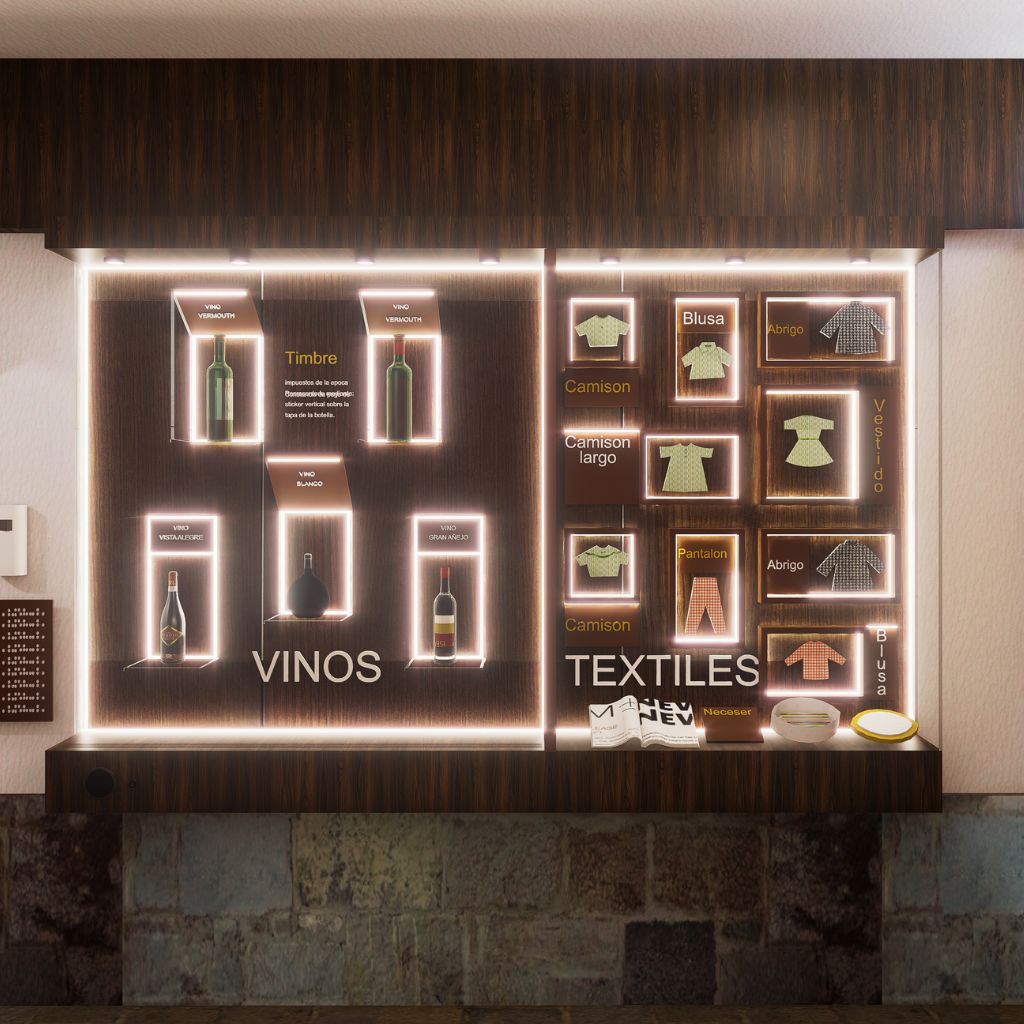
Intimacy Threads - Textiles

Textile items and embroidery notebooks that reflect the private lives and quiet work of women in the home.

00:00

ZONE 7

Symphony of the World - Music

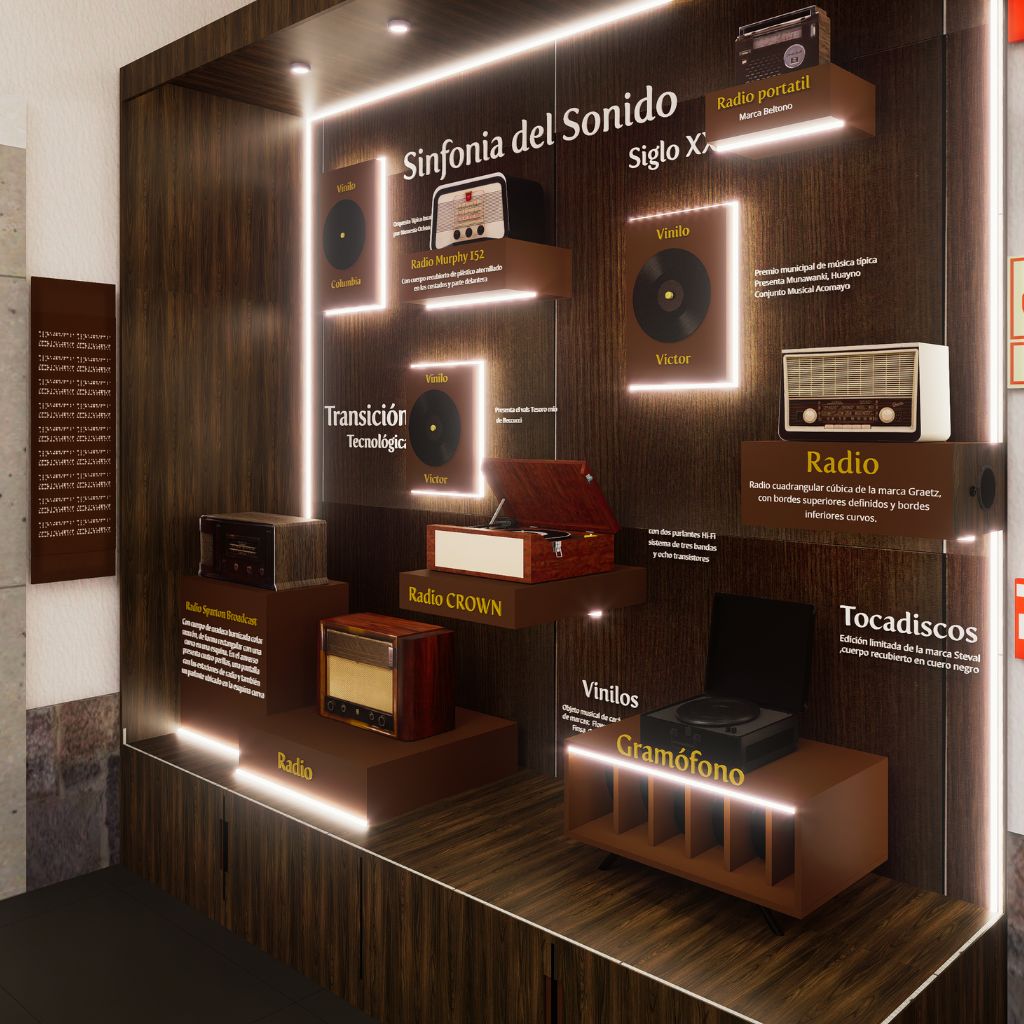
Tube radios and gramophones, symbolizing the dawn of modernity and social life centered around music and the news.

00:00

ZONE 8

The Promotion - Stands

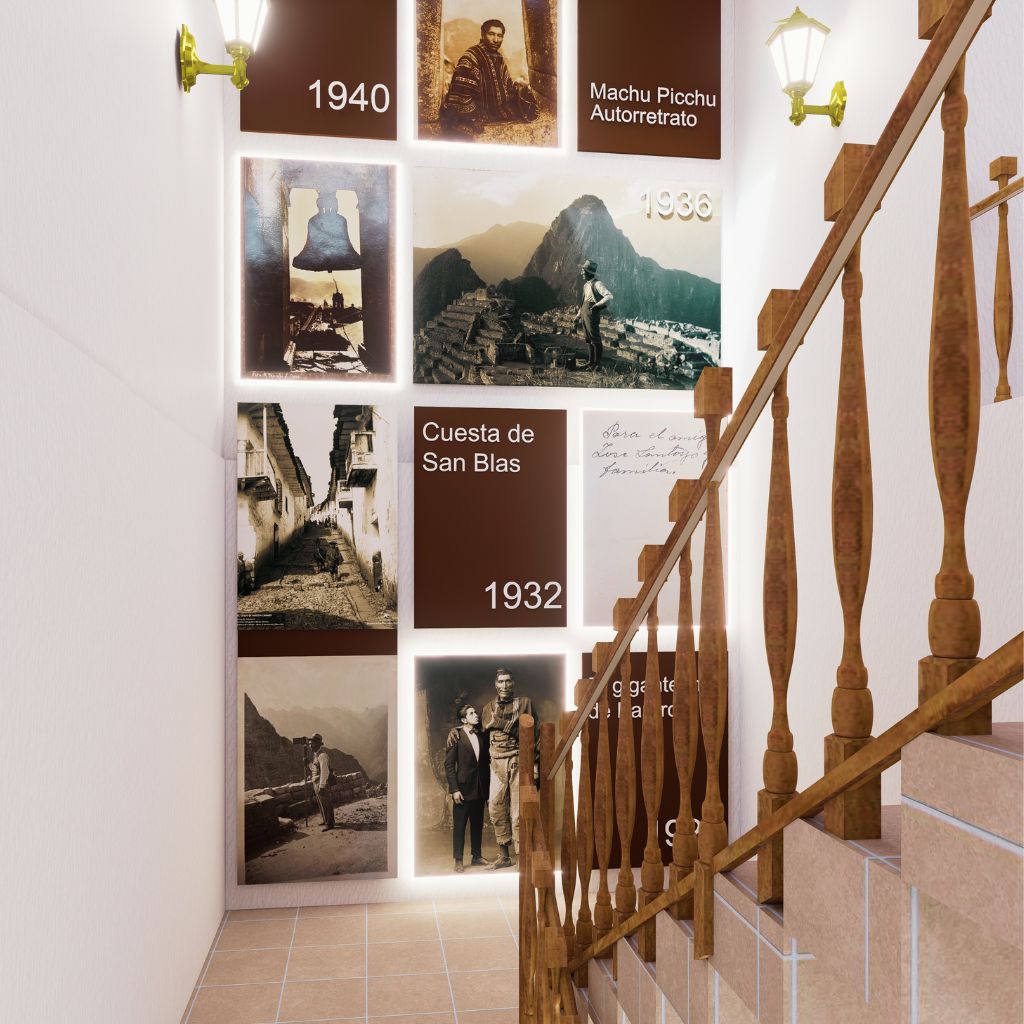
Martín Chambi’s photographs accompany your ascent, capturing Andean faces and landscapes that reflect the spirit of the people during the hotel’s heyday.

00:00